NPJ dry cleaning · in plant environments

Industrial deposit removal — safely, even during operation

Removal of chemical deposits, paint, tar (gudron) and process contamination from surfaces using a dry, non-corrosive technology. Plant staff never have to touch the hazardous materials — and neither the surface nor the geometry is damaged.

VCA / SCC certifiedATEX equipment15+ years of experienceAcross the EU
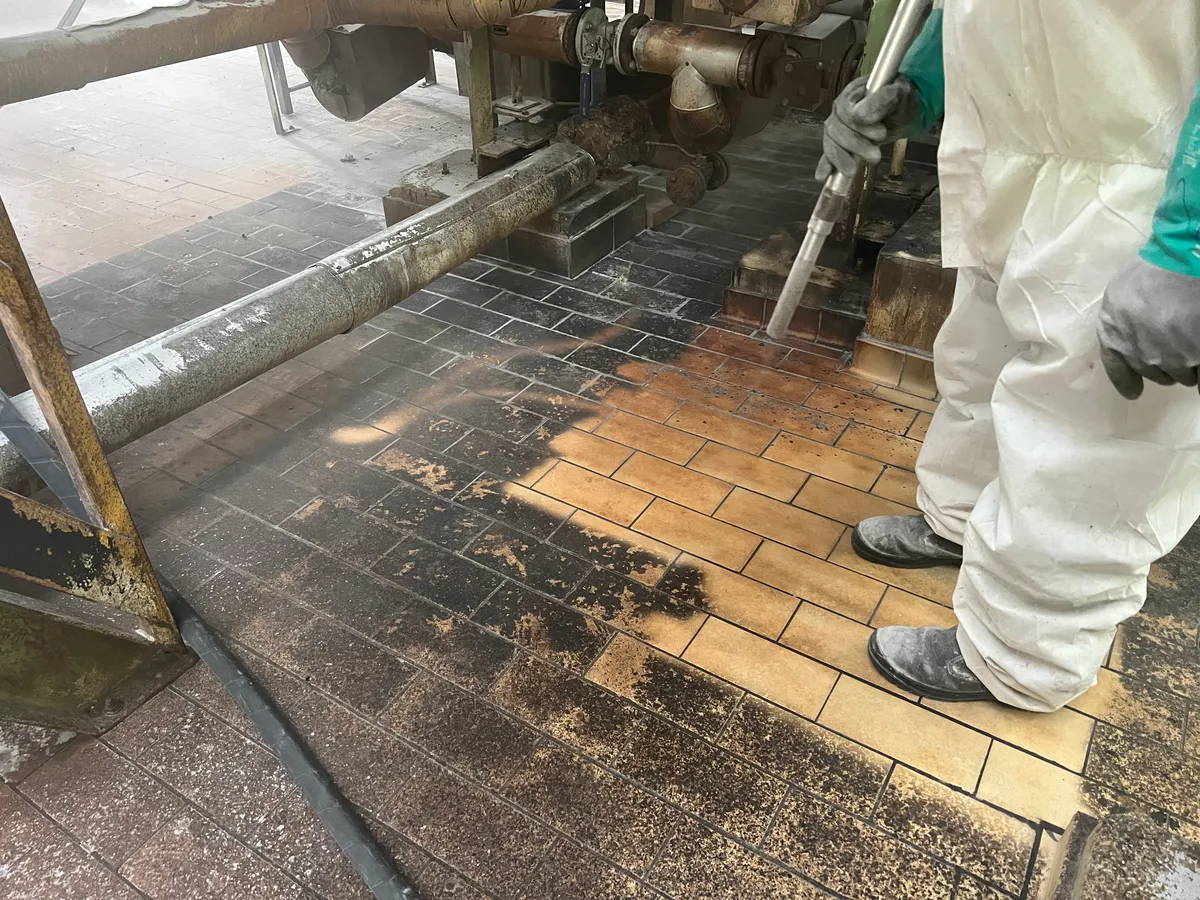
Industrial deposit removal in protective gear, in a plant environment
During operation
even paint removal can be carried out
0 contact
between plant staff and the chemicals
Biodegradable
non-corrosive abrasive media
Clean
handover of the work area
Areas

Where does dry deposit removal pay off?

Four typical areas where cleanliness is not a matter of aesthetics but a safety, maintenance and cost factor.
Chemical industry

Plant cleaning for chemical deposits

We remove the chemicals deposited on equipment and structures — properly prepared, in appropriate protective gear. Plant staff never have to touch the chemicals: the plant operates more safely.

  • Removal of chemical deposits from equipment and steel structures
  • In protective gear, with disciplined HSE execution
  • Reduced exposure risk for operating personnel
Maintenance · Lean

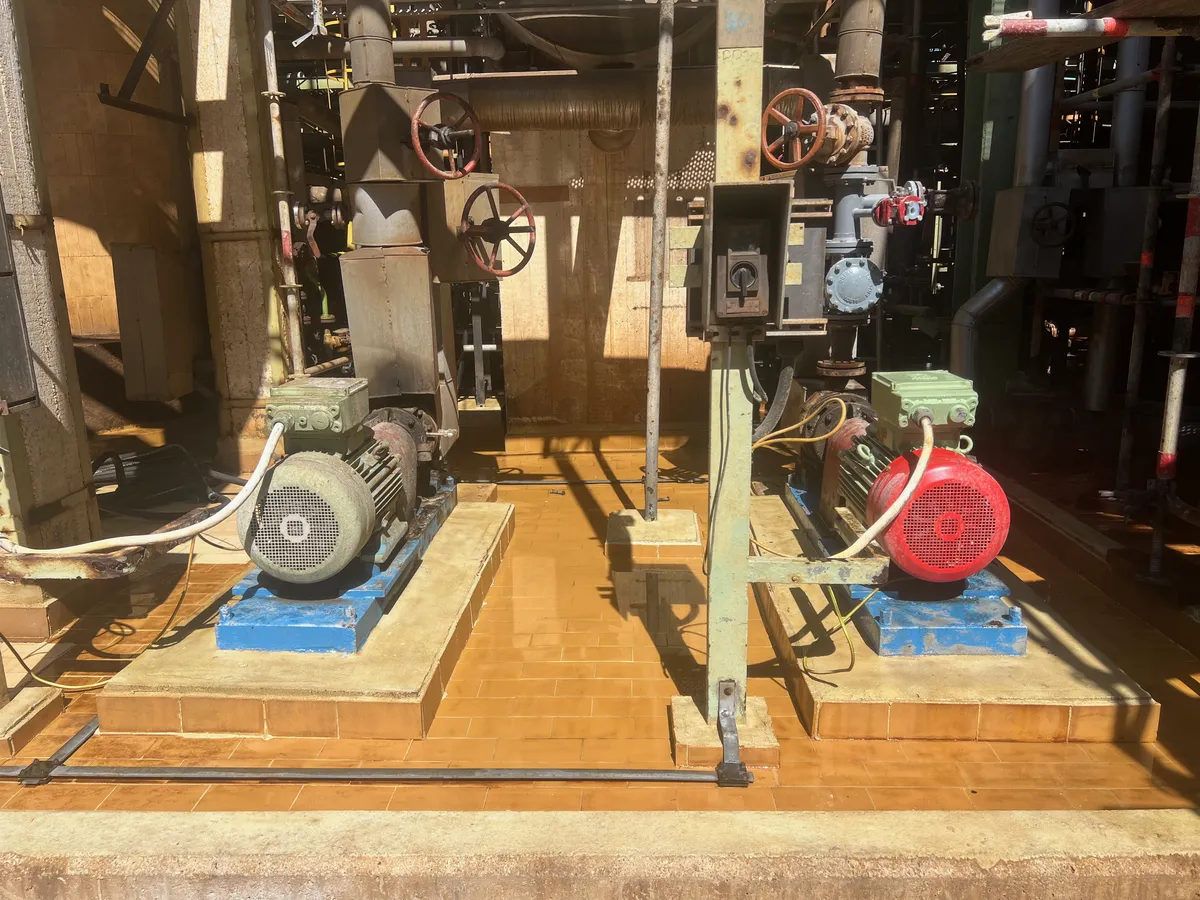
Cleaning of pump foundations and machine foundations

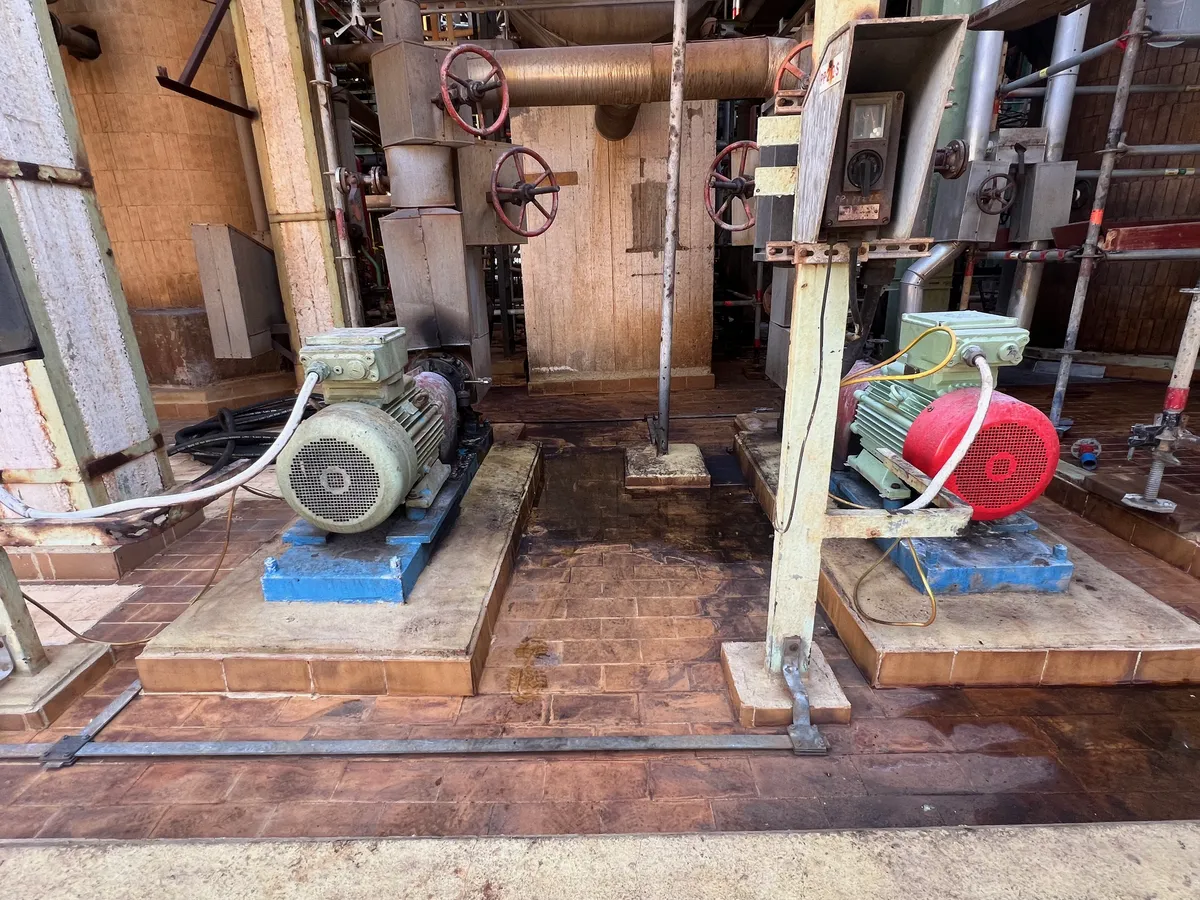
On a clean pump foundation, any drip or leak is visible immediately — the fault can be detected before it causes major damage. Cleanliness is also a basic requirement of the lean (5S) approach.

  • Removal of oily and chemical deposits from foundations
  • Early fault detection: leaks are visible on a clean surface
  • Lean / 5S audit-ready plant environment
Cost savings

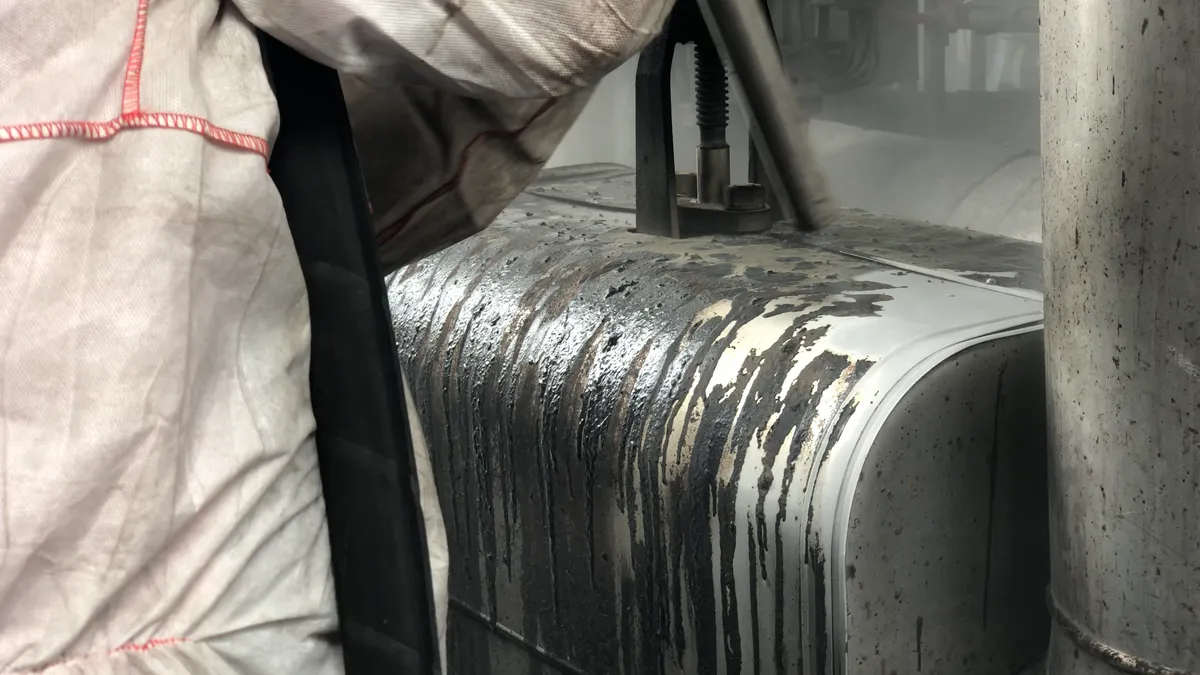
Cleaning of insulation cladding

Aluminium insulation cladding is expensive — replacing it means significant material and labour costs. Dry cleaning restores the existing cladding to reusable condition without soaking the insulation.

  • Gentle cleaning of aluminium insulation cladding
  • Cleaning instead of replacement — at a fraction of the cost
  • The mineral wool insulation stays dry
Surface preparation

Paint and coating removal

Removal of paint, tar (gudron) and old coatings from metal surfaces — even during operation. The surface is prepared for the new coating without damaging the base material.

  • Can be carried out during operation
  • The base metal and the geometry are not damaged
  • Clean surface, ready for coating
Safety

Why is this safer for the plant?

We carry the risk of deposit removal — properly prepared — not the plant personnel, on an ad-hoc basis.
1

No chemical exposure

Plant staff never touch the deposited hazardous material — only our team does, in appropriate protective gear and trained for the task.

2

Gentle on machinery

The abrasive media we use does not damage bearings or rotating equipment — which is why cleaning can be carried out during operation.

3

Clean work area handover

We sweep up or wash away the residual dust — the area is returned to the plant tidy and clean.

What you get

Why NPJ dry cleaning

With the right combination of pressure and abrasive media, only the contamination is removed — the base metal is not damaged, and there is no wet, corrosive after-work.

  • Can be carried out even during operation — no shutdown required
  • Plant personnel never touch the hazardous materials
  • Does not damage the base material, the geometry or the bearings
  • Non-corrosive, biodegradable abrasive media — no hazardous waste
  • Surface preparation ready for coating
  • Cleaning of expensive structures (e.g. aluminium cladding) instead of replacement
  • Work area handed over clean — swept or washed down
  • Self-sufficient team — no plant utilities required
How we work

From survey to clean handover

We work with a self-sufficient team, in line with the plant's HSE rules — using ATEX-rated equipment in explosive atmospheres.

Survey

On-site inspection: type of deposit, surface material, access and HSE requirements are agreed.

NPJ dry cleaning

We remove the deposits with biodegradable, non-corrosive abrasive media — even during operation, without harming the surface.

Work area clean-up

We sweep up or wash away the residual dust — no contamination is left in the area.

Clean handover

The surface is returned ready for coating or operation, and the area is handed back to the plant in good order.

From our work

Before and after — on-site photos

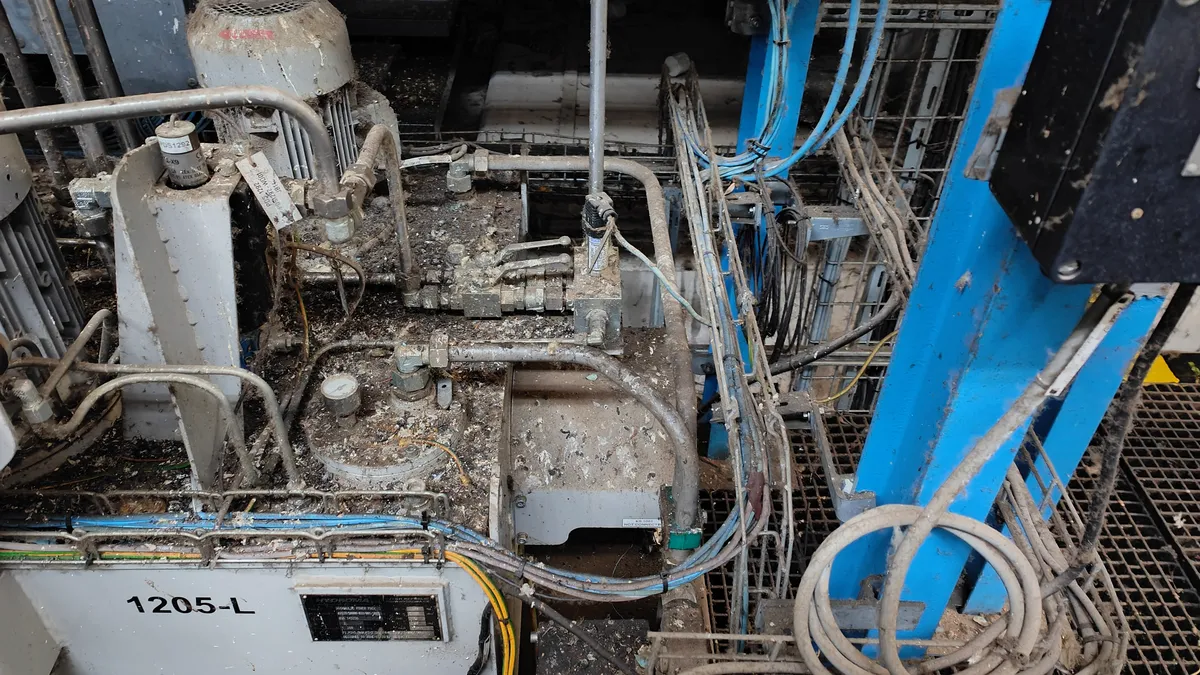
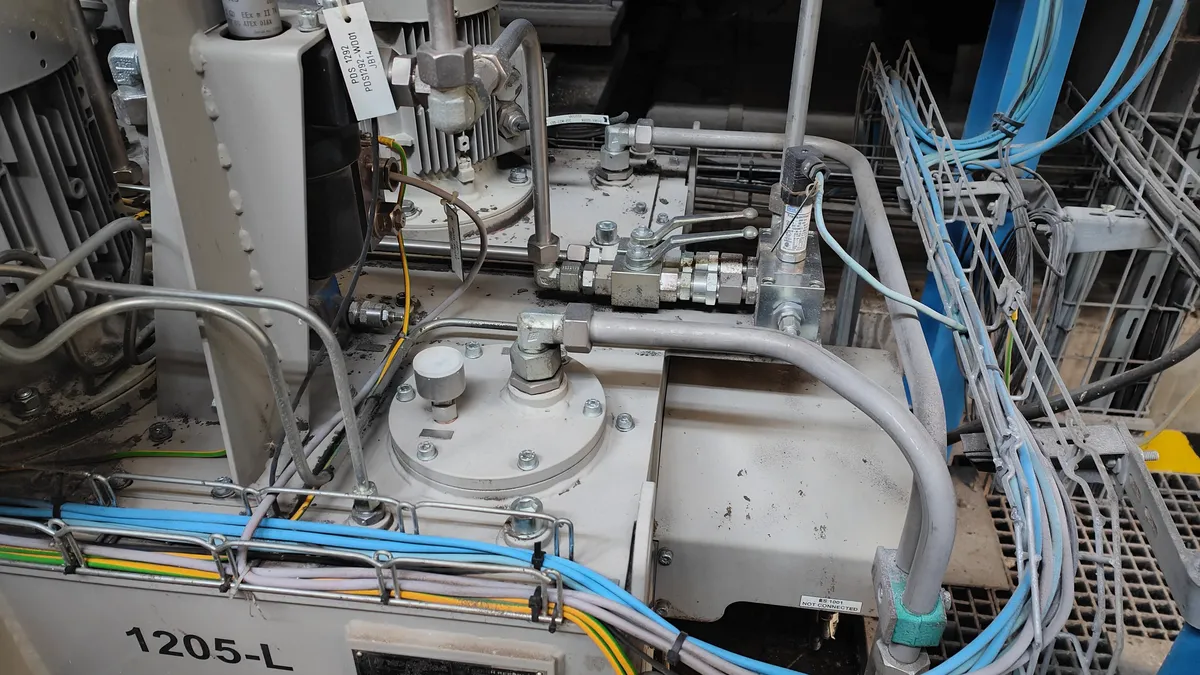
Plant equipment contaminated with unwanted deposits before cleaning The same equipment after dry deposit removal BeforeAfter
Removal of unwanted material from plant equipmentThe contaminant deposited on the equipment was removed by our team — without damaging the sensitive fittings and switch cabinets.
Oily, contaminated pump foundations before cleaning The same pump foundations after dry cleaning — a clean, inspectable surface BeforeAfter
Cleaning of pump foundationsOn a clean foundation, any drip or leak is visible immediately — and the lean (5S) audit goes more smoothly, too.
Insulation cladding sheet during dry cleaning
Cleaning of insulation claddingInstead of replacement, the expensive cladding sheet can be restored to reusable condition — at a fraction of the cost, without soaking the insulation.
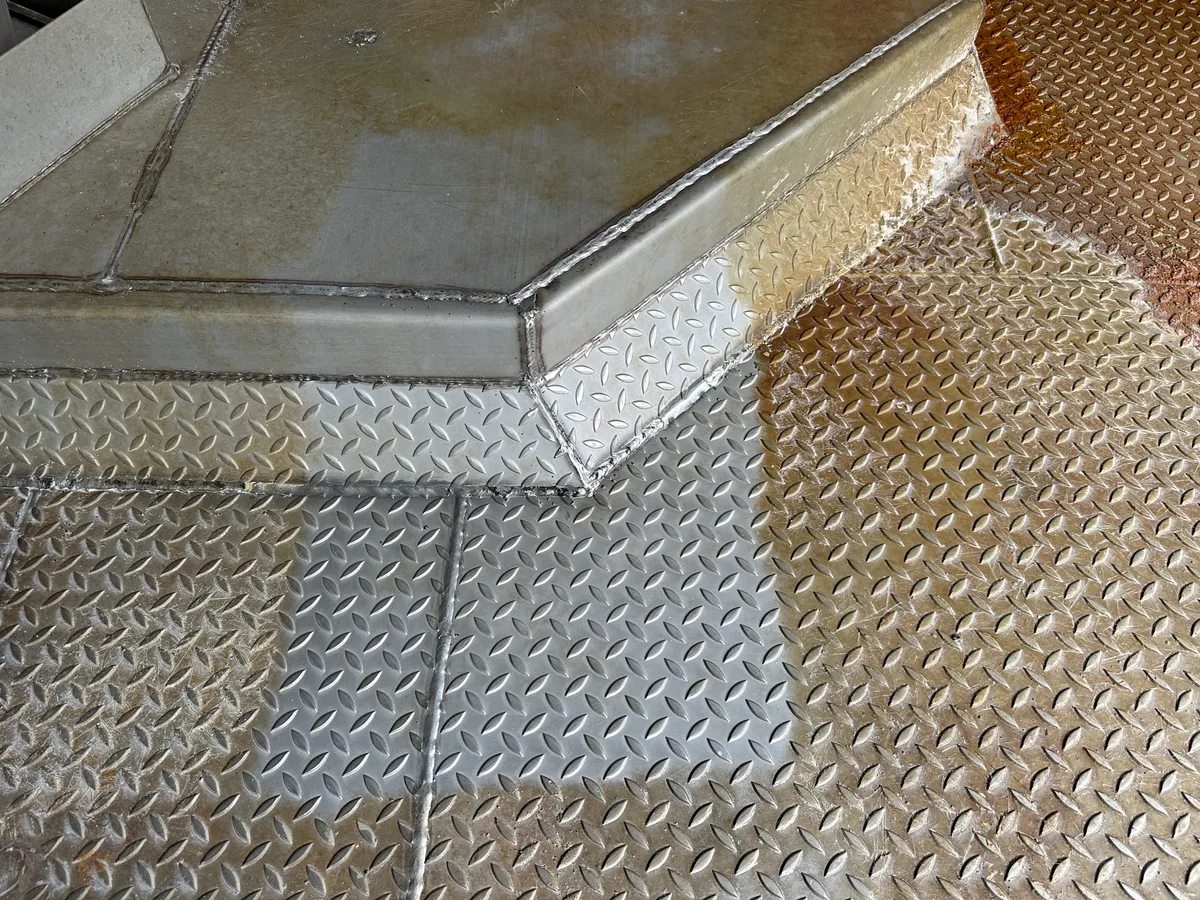
Acid-resistant walkway and spill containment tray half cleaned — the dividing line in one picture
Acid-resistant walkway and spill containment trayThe shiny section has already been cleaned — the acid-resistant base metal and the chequer pattern are untouched, and the spill containment tray performs its function again.
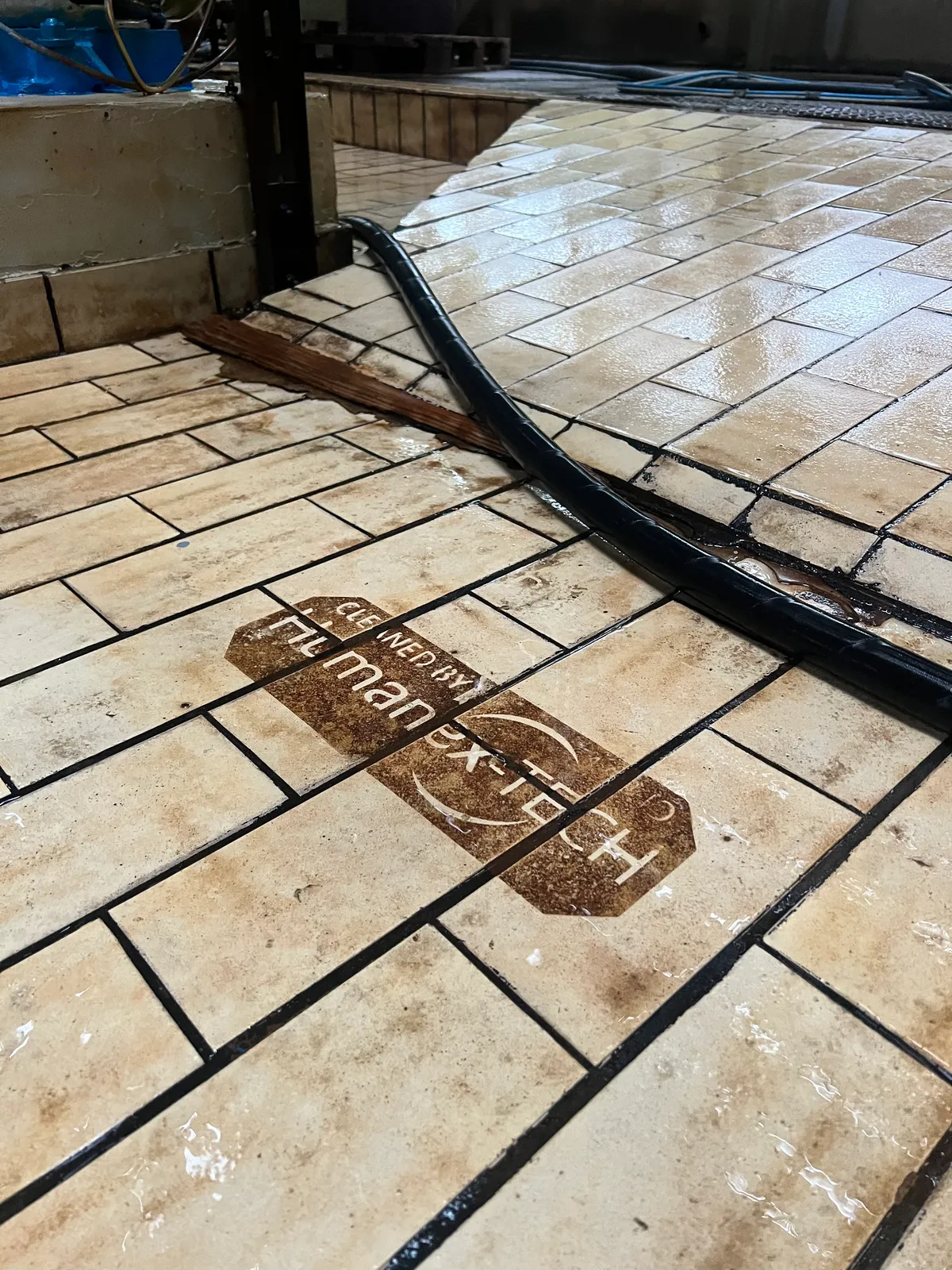
Cleaned by Humanex-TECH stencil on the cleaned plant floor
Our signature on the cleaned surfaceThe stencil is not paint: we cleaned the surface around it — the contrast speaks for itself.
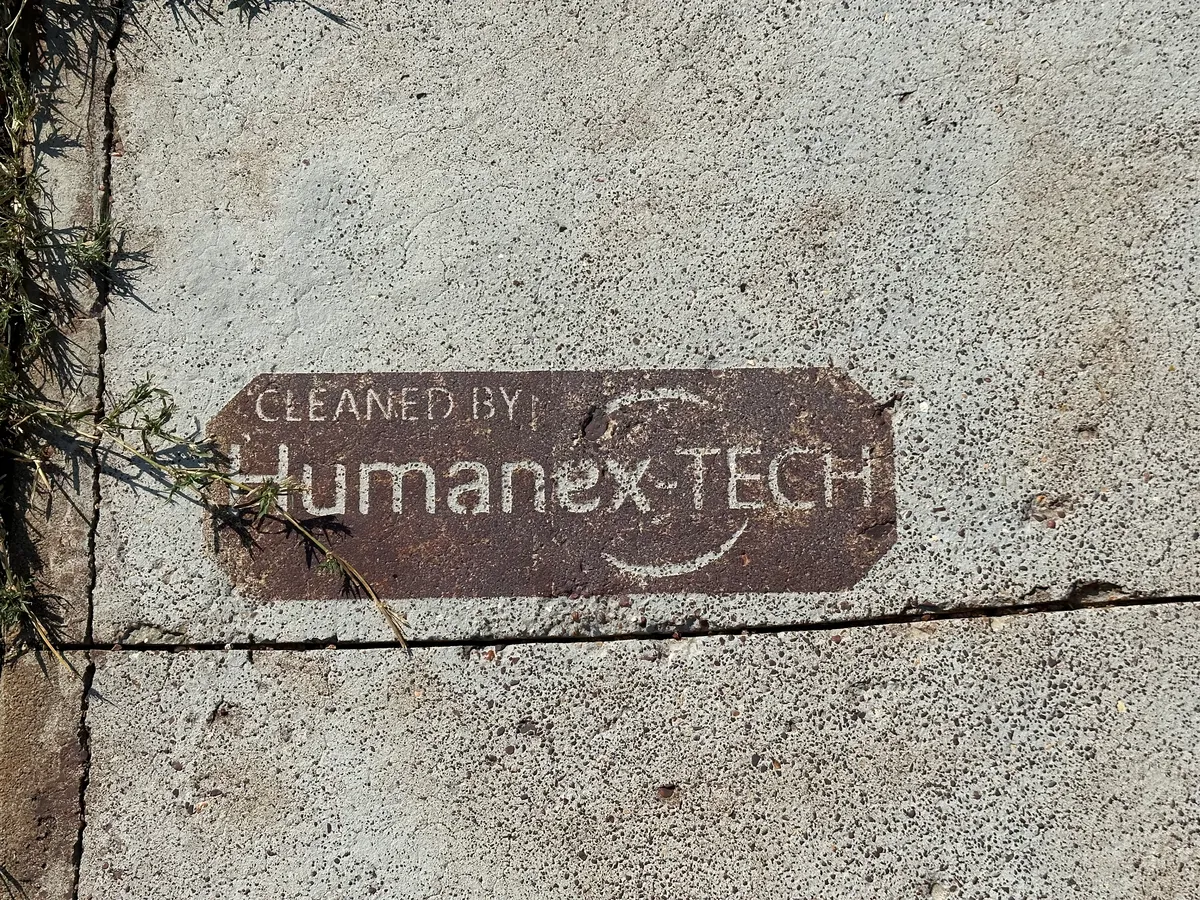
Cleaned by Humanex-TECH stencil on a concrete surface
Concrete surface after cleaningThe dry technology works on concrete too — the cleaned strip stands out sharply from the original surface.
Frequently asked questions

Deposit removal — what plant operators ask

Can cleaning really be carried out during operation?

Yes. The abrasive media we use does not damage bearings or rotating equipment, so cleaning — paint removal, for example — can be carried out safely during operation. In explosive atmospheres we work with ATEX-certified equipment.

Why is this safer for plant personnel?

Because only our team comes into contact with the deposited chemicals — in appropriate protective gear, prepared for the task. Plant staff never have to touch the hazardous materials, so the exposure risk is reduced.

Won't the metal surface be damaged during cleaning?

No. We adjust the combination of pressure and abrasive media to the surface: only the deposit is removed, while the base metal and the geometry remain untouched. The surface is handed over ready to receive a new coating.

What is left in the work area after cleaning?

Practically nothing: we sweep up or wash away the residual dust. The abrasive media is biodegradable and non-corrosive, so no hazardous waste is generated.

Why is it worth cleaning insulation cladding instead of replacing it?

Aluminium insulation cladding is a costly item in both material and labour. Dry cleaning restores the existing cladding to reusable condition — at a fraction of the cost, and the mineral wool insulation does not get soaked either.

Why is a clean pump foundation important?

Because on a clean foundation, any drip or leak is visible immediately — the fault can be detected and addressed early. A tidy, clean plant environment is also the basis of lean (5S) operation.

Stubborn deposits on your surfaces? Let's talk.

Tell us what material and surface you are dealing with — we will propose a dry cleaning solution.

Request a quote →
Get in touch
Let's talk

Tell us what you're working with — our engineers will propose the right solution.